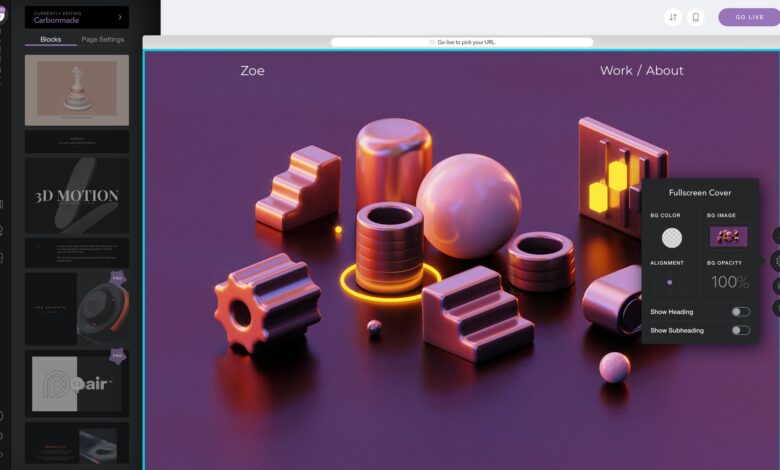
Strong 3D work can lose its job when buried in a slow website, unexplained gallery, or generic portfolio.
The U.S. Bureau of Labor Statistics’ Occupational Outlook Handbook, updated in August 2025, projects about 5,000 openings for special effects artists and animators each year from 2024 to 2034, while noting that employers prefer strong portfolios and technical skills.This guide explains how to build a 3D design portfolio that communicates value, proves competence, and turns more visits into serious inquiries.
In a competitive field, can clients quickly see why your work fits their project?
This guide explains how to build a 3D design portfolio that communicates value, proves competence, and turns more visits into serious inquiries.
Position Your 3D Design Portfolio as a Client-Focused Sales Tool

Here’s the thing: clients rarely hire a 3D artist because a render is beautiful in isolation. They hire someone who can solve a commercial problem, whether that means explaining a complex product, previsualizing architecture, building game-ready assets, or creating secure training simulations.
Your opening screen should therefore answer three questions immediately: what you specialize in, who you help, and what outcome you produce.
A concise headline, one strong hero project, and clear service categories usually work better than a crowded grid. For proposals or discovery calls, package selected case studies into a polished presentation design that follows the client’s priorities rather than forcing them to explore your entire site.
This makes your portfolio feel intentional, easier to review, and more relevant to the decision in front of them.
Curate Projects Around the Clients You Actually Want
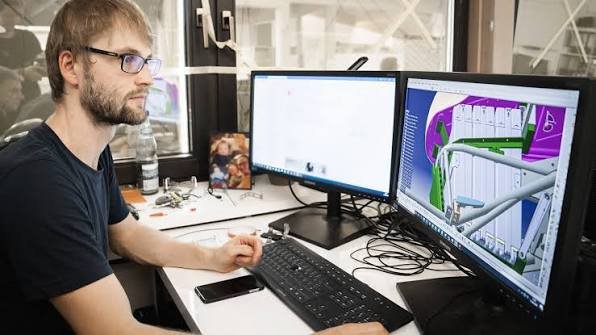
A bigger portfolio is not automatically a stronger portfolio. Mixed-quality work creates uncertainty, while unrelated projects can make your positioning feel vague.
Start by defining the client you want more of, then choose six to ten projects that make that client think, “This person already understands my world.”
Use selection criteria such as:
- Relevance to the target industry and project type
- Quality of modeling, materials, lighting, composition, and delivery
- Evidence that you handled a real production constraint
- Consistency with the rates and level of work you now want
Personal projects can fill gaps when paid work is confidential or outdated. Just label them honestly. A carefully developed cybersecurity dashboard environment, industrial product visualization, or game-ready asset set can demonstrate current ability without pretending it was commissioned work.
Turn Every Major Project Into a Short Case Study
A polished render shows the result. A case study shows how you think, which is often what separates a capable freelancer from a dependable creative partner.
Keep each case study compact enough to scan, but detailed enough to prove that the final image was not an accident.
| Case study element | What to include | Why clients care |
| Brief | Industry, audience, and intended use | Shows commercial awareness |
| Constraint | Deadline, polygon budget, file format, or approval issue | Demonstrates judgment |
| Process | References, blockout, iterations, testing, and feedback | Makes your method visible |
| Outcome | Delivered assets, measurable improvement, or client response | Connects design to value |
Under the table or project summary, add two or three annotated process images. Wireframes, texture passes, lighting tests, and before-and-after comparisons make the work more credible than a long paragraph of self-promotion.
Show Technical Depth Without Turning the Page Into Documentation
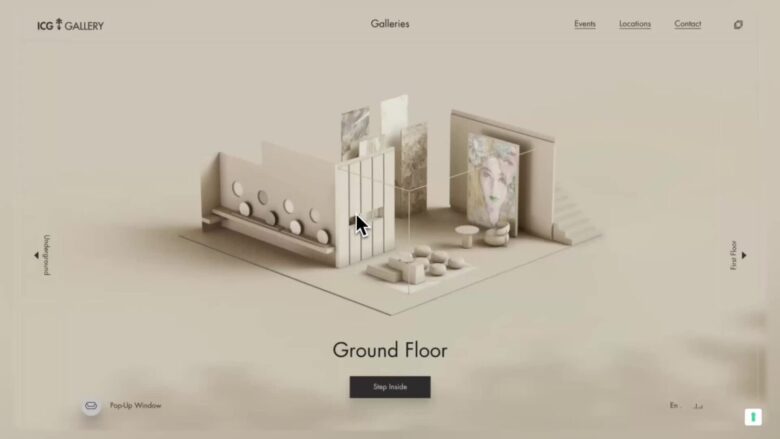
Better clients need confidence that your assets will survive real production, not just look good in a still image. Let’s take a closer look at the proof that matters.
Include technical details only when they support the project’s intended use, and translate them into plain language. For relevant projects, show:
- Topology or wireframe views
- UV layouts and texture sets
- Polygon counts, level-of-detail versions, or optimization decisions
- Software, render engine, export formats, and pipeline responsibilities
- Short turntables, real-time captures, or interaction demos
Balance is important. A procurement manager may care more about delivery reliability than shader graphs, while a technical art lead may want the exact pipeline.
Use expandable details, captions, or downloadable breakdowns so each visitor can choose the level of depth they need without slowing the main project story.
Build a Fast, Accessible, and Secure Viewing Experience
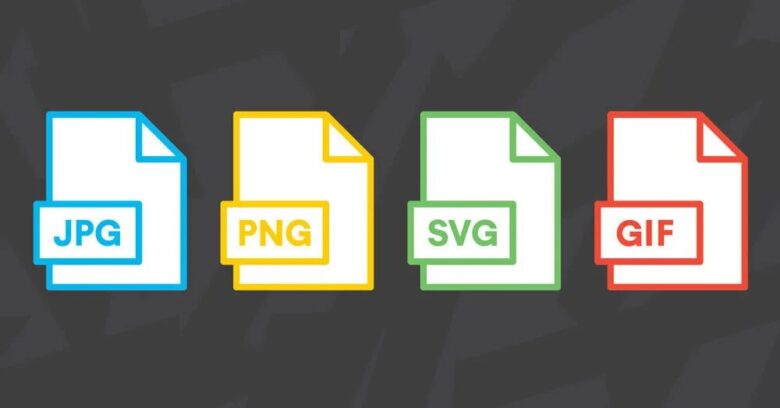
A technically impressive portfolio can still fail when oversized videos stall, mobile layouts break, or confidential details remain visible.
Compress images carefully, use modern web formats, provide poster frames for videos, and test the site on a phone, laptop, and slower connection.
Keep navigation predictable, contact details obvious, and project pages free from distracting effects.
A portfolio should prove technical competence without creating technical friction.
For sensitive work, remove client credentials, internal filenames, private interfaces, employee data, and unreleased product details. Use password-protected or expiring links when a public case study would violate an agreement.
Also keep a lightweight PDF or presentation version available for clients whose security policies block interactive viewers.
Strong cybersecurity hygiene signals professional judgment, especially when your target clients work in software, infrastructure, defense, finance, or healthcare.
Add Credibility Signals and a Clear Next Step
A client should never reach the bottom of a strong project and wonder what to do next. Add one focused call to action, such as booking a discovery call, requesting availability, or sending a project brief.
Place it after major case studies and on the contact page, then explain what information you need to estimate scope accurately.
Useful credibility signals include a concise biography, defined responsibilities, recognizable client sectors, relevant testimonials, and dates showing that projects are current.
The 2002 Stanford Persuasive Technology Lab study, based on 2,684 participants and 2,440 comments, found that 46.1% of comments mentioned a website’s visual design when judging credibility.
That does not mean style replaces substance. It means polish, clarity, and consistency influence whether visitors trust the substance enough to keep reading.
FAQs
1. Should a 3D portfolio include pricing?
Public package ranges can help filter small, standardized jobs, but custom production work usually benefits from a brief-based estimate. Explain which factors affect cost instead of publishing a misleading fixed figure.
2. Do I need a personal domain?
A custom domain is useful for branding and control, although a reputable hosted platform is acceptable while you are getting started. Keep the address simple, memorable, and professional.
3. Should I include unfinished work?
Only when the unfinished material demonstrates a valuable process, experiment, or technical skill. Label it clearly so nobody mistakes it for a client-ready deliverable.
4. How should team projects be credited?
Name the project and team, then state your exact responsibilities. Clear attribution protects trust and helps clients evaluate the skills and decisions that were genuinely yours.
Start With the Changes That Make Your Value Easier to See
A strong 3D design portfolio does more than display talent. It helps better clients understand your specialty, assess your production skills, trust your professionalism, and take the next step without unnecessary friction.
Start small: remove two weaker projects, rewrite one strong project as a case study, and test the full experience on mobile. Then create a tailored presentation for the next serious lead instead of sending the same generic link to everyone.
You do not need dozens of perfect projects. You need a focused selection that makes the right buyer confident that you understand the assignment and can deliver it well.

